Understanding Seattle’s Unique Climate and Environment
Seattle’s Pacific Northwest location offers a distinct climate characterized by mild, wet winters and dry, warm summers. This climatic pattern profoundly influences which tree species will thrive in your home landscape. It’s essential to select trees adapted to these environmental conditions to ensure longevity, health, and reduced maintenance.
Key Factors to Consider When Choosing Trees for Seattle Landscaping
- Climate Adaptability: Trees should tolerate Seattle’s damp winters and occasional summer droughts.
- Soil Conditions: The region typically has acidic, well-drained soils but assessing your property is critical.
- Space Constraints: Consider the mature size of trees and proximity to structures, sidewalks, and utility lines.
- Growth Rate and Maintenance: Faster-growing trees may require more frequent pruning and care.
- Wildlife and Ecosystem Benefits: Native trees support local bird and insect populations, enhancing biodiversity.
Popular Tree Species for Seattle Home Landscaping
Experts recommend a mix of native and adapted species that flourish in Seattle’s environment:
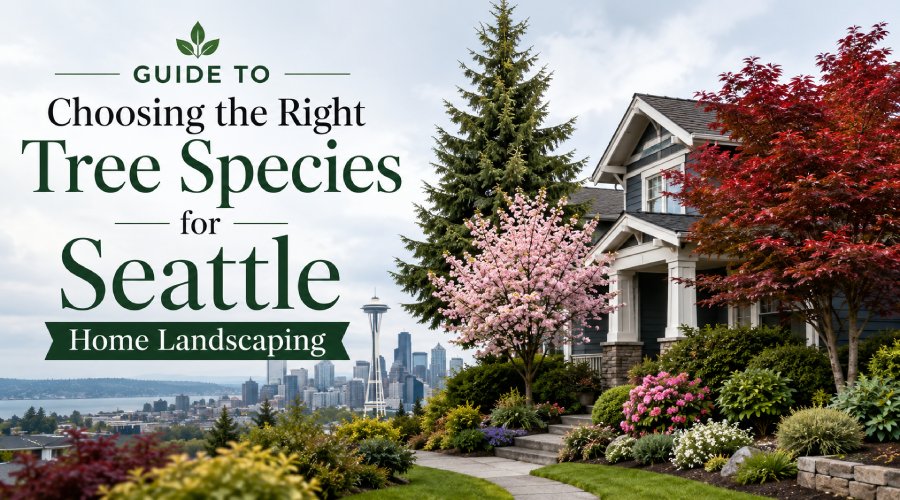
- Douglas Fir (Pseudotsuga menziesii): An iconic evergreen with year-round greenery. Ideal for privacy screens and windbreaks.
- Pacific Madrone (Arbutus menziesii): Known for its striking red bark and evergreen leaves, it adds aesthetic appeal and supports wildlife.
- Bigleaf Maple (Acer macrophyllum): A native deciduous tree providing vibrant fall colors and ample shade.
- Western Red Cedar (Thuja plicata): A tall, graceful evergreen valued for its fragrant wood and natural beauty.
- Flowering Dogwood (Cornus nuttallii): Offers spring blossoms and serves as an excellent ornamental choice.
Planting Tips for Long-Term Success
Proper planting and care are vital to ensure your selected trees grow healthy and strong. Plant between fall and early spring when the ground is moist. Use soil amendments if necessary and ensure adequate watering during the establishment phase. For guidance on maintaining tree health and preventing diseases common in this region, see our expert tips on preventing tree diseases in Snohomish County.
Enhancing Your Seattle Landscape with Professional Insight
Choosing the right tree species is only the beginning. Ongoing care, including pruning and disease management, will keep your trees thriving. Learn more about professional pruning benefits in our detailed post The Benefits of Hiring an ISA Certified Arborist for Tree Pruning. If you’re looking for tree services in the greater Seattle area, including Seattle proper, consider our dedicated page on Seattle, WA services.
Additional Resources for Seattle Homeowners
For personalized advice or tree care assistance in surrounding communities, explore our service pages for Mountlake Terrace, WA and Stanwood, WA. Our certified arborists are ready to help you choose the right species and provide ongoing care.