Proper tree pruning is vital for maintaining the health, safety, and aesthetics of your residential property. Whether you have towering evergreens or beautiful ornamental trees, pruning helps prevent disease, encourages healthy growth, and protects your home from potential hazards.
At Western Hemlock Tree Service, our ISA-certified arborists specialize in providing safe and effective pruning services tailored for Snohomish County homeowners. This comprehensive guide shares essential techniques and safety considerations to help you prune your trees properly.
Why Safe Tree Pruning Matters
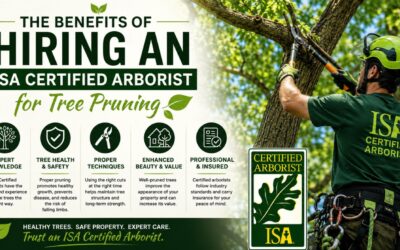
- Tree Health: Proper pruning removes dead or diseased branches to promote healthy growth and reduce the risk of infection.
- Property Safety: Eliminating hazardous limbs prevents damage to your home, power lines, and people below.
- Landscape Beauty: Pruning shapes trees for a well-maintained, attractive appearance that enhances curb appeal.
- Longevity: Regular pruning extends the life of your trees by maintaining structural integrity.
Essential Safe Pruning Techniques
Follow these professional pruning techniques to ensure safety and effectiveness when working on your residential trees.
1. Plan Your Pruning
Assess your tree’s condition and determine what branches need removal for safety, health, or aesthetics. Avoid heavy pruning all at once unless necessary, as this can stress the tree.
2. Use the Right Tools
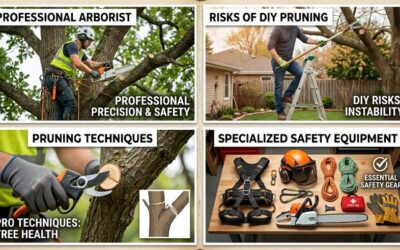
Equip yourself with clean, sharp pruning shears, loppers, hand saws, or chainsaws depending on branch size. Dull tools cause ragged cuts, increasing disease risk.
3. Follow Proper Cutting Methods
Make precise cuts to promote rapid healing:
- Three-Cut Method: For larger branches, first cut the underside about 6–12 inches from the trunk, then a top cut further out to remove the branch, then a final cut near the branch collar to prevent bark damage.
- Avoid Topping: Never cut back the main leader or heavily cut branches indiscriminately, as this weakens the tree.
- Angle Cuts: Make cuts at a slight angle to shed water and reduce infection risk.
4. Maintain Personal Safety
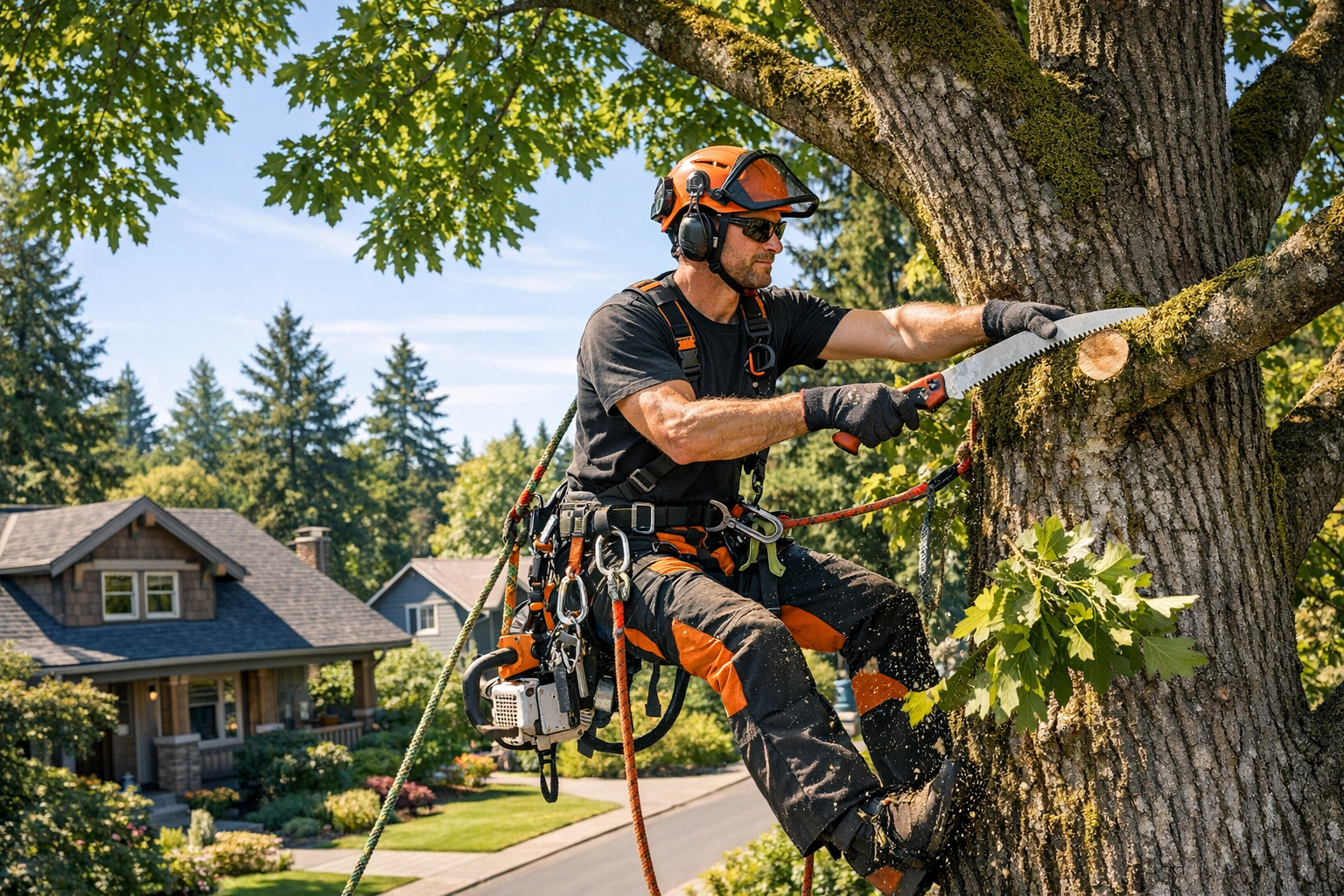
- Wear protective gloves, eye protection, and a hard hat if working near power lines.
- Use a sturdy ladder and have spotters on the ground if necessary.
- Never prune near electrical equipment—call professionals if branches are near power lines.
5. Time Your Pruning Correctly
The best time generally is late winter or early spring before new growth starts. However, some specific tree species or concerns may require different timing — consult professional advice when in doubt.
When to Call a Professional Arborist
Homeowners should know their limits. Pruning large branches, handling dangerous trees, or working near electrical lines require experienced arborists to ensure safety and compliance with local regulations.
Learn more about professional tree services in Snohomish, WA and when expert help is needed.
Additional Tree Care Tips for Homeowners
Consistent maintenance is key. Regularly inspect your trees and keep them well-watered, mulched, and free of pests. For detailed seasonal advice, visit our Ultimate Guide to Tree Care and Safety in Snohomish County.
Safe pruning not only preserves the beauty of your landscape but also enhances your family’s safety and home value. By adhering to certified arborist practices, you can enjoy a healthy and thriving tree canopy all year.
Explore Related Services
- High-Risk & Dangerous Tree Removal for hazardous trees beyond pruning.
- Why Regular Tree Trimming Is Essential for a Healthy & Safe Yard
- How Proper Tree Care Protects Your Home, Landscape, and Investment