Introduction
Seattle’s unique climate creates an environment that’s both ideal for tree growth and conducive to various tree diseases. As a homeowner, understanding the best tree disease prevention methods is crucial to protecting your investment and maintaining a healthy, beautiful landscape. In this article, we explore proven strategies to keep your trees disease-free, highlighting local conditions and professional insights.
Common Tree Diseases in Seattle
Seattle’s moist, temperate climate can foster diseases such as root rot, needle cast, cankers, and various fungal infections. Recognizing these conditions early helps in effectively managing and preventing serious damage.
- Root Rot: Affects roots of many tree species in poorly drained soils.
- Needle Cast: Causes premature needle drop, weakening evergreens.
- Cankers: Bark infections that can girdle branches or trunks.
- Leaf Spot Diseases: Various fungi cause spots and premature leaf fall.
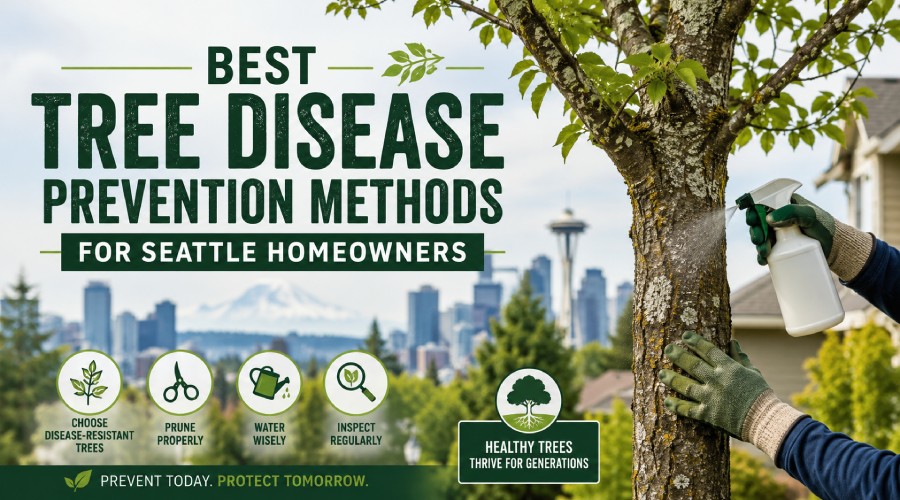
Best Tree Disease Prevention Methods
1. Proper Tree Selection
Choose disease-resistant native species adapted to Seattle’s environment, such as Western Red Cedar and Douglas Fir. Selecting appropriate species reduces susceptibility to local pathogens.
2. Regular Inspections and Early Detection
Schedule routine inspections by certified arborists to detect early disease symptoms. Early intervention can significantly reduce spread and damage. Our Ultimate Guide to Tree Care and Safety in Snohomish County offers detailed inspection advice.
3. Proper Watering Practices
Avoid overwatering, which encourages fungal growth. Water trees deeply but infrequently, ideally in the morning to allow foliage to dry during the day.
4. Correct Pruning Techniques
Prune trees to improve air circulation and sunlight penetration, reducing moisture buildup. Use clean, sharp tools and prune during dry periods. Learn more about pruning techniques in our post on Safe Tree Pruning Techniques for Residential Properties.
5. Mulching
Apply organic mulch around the base of trees to retain soil moisture and regulate temperature, but keep mulch away from direct contact with trunks to avoid bark rot.
6. Soil Health Management
Maintain healthy soil through proper fertilization based on soil tests. Avoid excess nitrogen which can promote soft, disease-prone growth. Compost and organic amendments can boost beneficial microbes.
7. Pest Management
Control insect pests that transmit diseases using integrated pest management (IPM) approaches. Proper tree health is the best defense against insect attacks.
When to Call the Professionals
Some symptoms require expert assessment and treatment. Western Hemlock Tree Service provides comprehensive tree care solutions, including disease diagnosis and treatment options. Explore our professional services on Commercial Tree Service page, which also highlights our expertise in managing large and complex tree health issues.
Local Resources and Support
Seattle homeowners benefit from local cooperative extension services and certified arborists knowledgeable about regional tree diseases. Collaborating with local experts ensures culturally appropriate care.
Conclusion
Preventing tree diseases in Seattle requires proactive care, from proper selection to regular maintenance and professional consultation when needed. By following these best methods, homeowners can protect their trees’ health and beauty for years to come.